


Sweepstakes Machines Face Regulatory Challenge
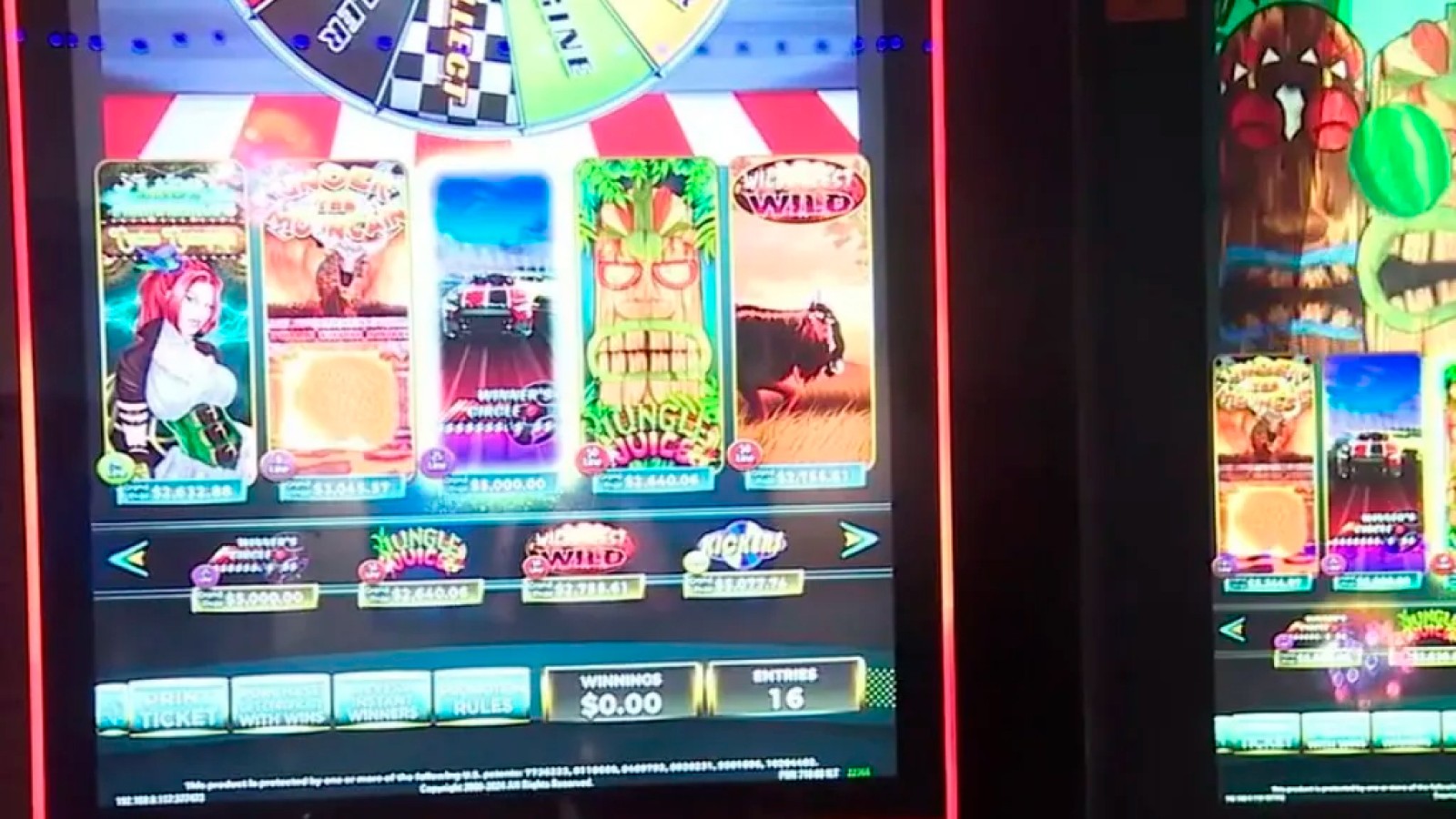
The ordinance under consideration would ban sweepstakes machines commonly found in bars, taverns, and restaurants throughout Chicago. The devices resemble state-regulated video gaming terminals (VGTs), offering games such as slots and poker, but differ in how prizes are awarded.
Rather than issuing direct cash payouts, sweepstakes machines typically provide winnings through vouchers, gift certificates, or digital redemption systems. This distinction has allowed operators to maintain that the devices fall outside the state's regulated gaming structure.
Supporters of the ban contend that the machines exploit legal ambiguities while avoiding the taxation and oversight requirements imposed on licensed gaming operators.
City Officials Question Lack of Regulation
Among the leading voices supporting the prohibition is Chicago Alderman Anthony Beale, who argues that sweepstakes machines function similarly to regulated gaming devices but generate no direct tax revenue for the city.
"We get no money off of them whatsoever,” Beale said, arguing that operators use a “legal loophole” to avoid regulatory scrutiny.
The debate highlights a broader issue facing gaming regulators across several US jurisdictions, where sweepstakes-based gaming models have increasingly attracted attention from lawmakers and enforcement agencies seeking greater oversight of alternative gaming products.
Bar and Restaurant Owners Warn of Economic Impact
Business owners opposing the measure say the machines have become an important source of supplemental income, particularly following the challenges experienced during and after the COVID-19 pandemic.
Sal Mehmeti, owner of Coach's Bar & Grill in Chicago’s Norwood Park neighborhood, explained that sweepstakes machines help attract customers and generate additional revenue during slower periods.
“Everything's getting expensive, food's getting expensive, alcohol is getting expensive,” Mehmeti said. “Being in this business is getting tougher and tougher.”
According to operators, the revenue generated by the machines helps offset rising operating costs and supports business sustainability in a highly competitive hospitality market.
Industry Group Defends Sweepstakes Sector
The debate has also drawn a response from the National Association of Promotional Retailers (NAPR), which represents businesses hosting sweepstakes machines.
Maze Jackson, speaking on behalf of the organization, argued that hundreds of establishments depend on the devices and have operated them openly for years.
“They've been operating for almost 10 years, uninterrupted, and now, all of a sudden, it seems like they're coming in and saying, ‘we want to turn you all into illegal operators,’” Jackson said.
According to NAPR, hundreds of small businesses collectively generate approximately $70 million in annual revenue linked to operations that include sweepstakes machine activity.
Mehmeti warned that the consequences of a prohibition could be severe for some operators.
“If they ban the machines, our business might be in jeopardy. We might have to close shop,” he said.
Broader Debate Includes Video Gaming Expansion
The discussion surrounding sweepstakes machines comes shortly after Chicago Mayor Brandon Johnson renewed concerns about video gaming expansion in bars and restaurants.
Johnson has referenced the potential impact that expanded gaming options could have on the development of the city's new casino project led by Bally's Corporation, as well as on associated jobs and tax revenues.
“There are some significant concerns that exist with VGTs, particularly around the development of the casino, the revenue of the casino and then jobs,” Johnson stated.
The mayor has called for a “robust debate” that balances economic development, employment considerations, and the interests of local businesses and workers.
Vote Could Reshape Chicago’s Gaming Landscape
The City Council is expected to vote on the proposed ordinance this week. If approved and signed by Mayor Johnson, businesses currently hosting sweepstakes machines would be required to remove them or potentially face enforcement actions.
For the gaming industry, the outcome could serve as another important indicator of how US municipalities and regulators are approaching sweepstakes gaming models. As scrutiny of alternative gaming products increases nationwide, Chicago’s decision may influence similar discussions in other jurisdictions evaluating the regulatory status of sweepstakes-based gaming operations.