


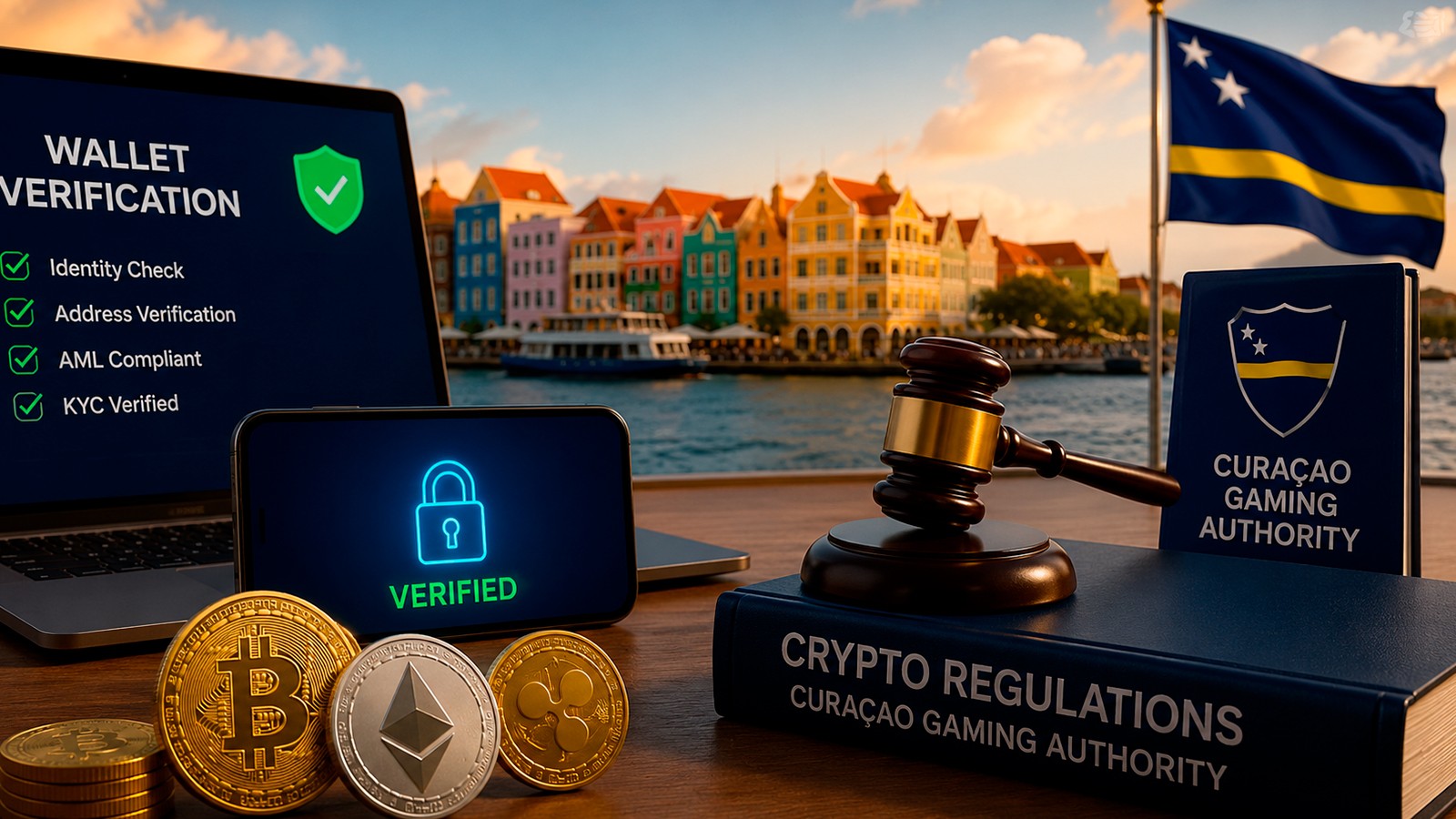
The World’s Largest Crypto Casino Hub Raises the Bar
The Curaçao Gaming Authority (CGA) has issued its first detailed cryptocurrency regulation to licensed online operators, outlining how casinos and sportsbooks must manage digital asset deposits, wagers, withdrawals, and treasury operations. Effective June 2026, the guidelines — publicly shared by CGA’s marketing and PR advisor Aideen Shortt on LinkedIn — apply to all group entities dealing with cryptocurrencies and align license holders with international anti-money laundering standards. This marks a significant shift for a jurisdiction that hosts a large share of the world’s crypto casinos.
According to iGaming Business, the CGA bans operators from accepting funds from sanctioned wallets or mixing services and prohibits them from acting as crypto exchanges. Licensees face a phased timeline: within three months they must submit a compliant crypto policy via the CGA portal; within six months, complete risk assessments, due diligence on virtual asset service providers, and staff training; and by June 2027, achieve full compliance — including wallet segregation, blockchain analytics tools, transaction reconciliation, and audit-ready recordkeeping. The regulator notes it may demand faster action if significant risks arise.
Casinos to tighten wallet checks
These measures push Curaçao operators toward banking-style controls. Casinos must conduct wallet screening, risk scoring, and transaction monitoring for both deposits and withdrawals using blockchain analytics rather than manual checks. They may only accept cryptocurrencies for gaming, not as exchanges, custodians, or VASP providers. Fiat-backed stablecoins are preferred, while privacy coins, meme coins, and unclear wrapped tokens must be assessed or excluded. Operators must also strictly separate player, operational, and treasury wallets, with personal or owner-linked wallets prohibited.
The directive builds on reforms introduced in December 2024 with the National Ordinance on Games of Chance (LOK), which abolished the old master/sub-license system, established the CGA as the direct licensing authority, and integrated cryptocurrencies into the standard B2C license. Disclosure of wallets, on-chain monitoring, and rejection of anonymous crypto platforms were already licensing conditions; the new policy details how compliance must work in practice.
Curaçao became the default destination for crypto gambling
Curaçao became the default destination for crypto gambling precisely because the old regime asked few questions about token origins or player identity. For operators who saw a Curaçao license as a low-barrier entry pass, the standards have now risen sharply. This is part of wider pressure on offshore and unlicensed markets: in the Netherlands, the state lottery has taken the country’s largest illegal gambling site to court after regulators deemed a €24 million fine too low, while in the UK, unlicensed operators are projected to outspend the regulated sector in advertising by 2028. The jurisdiction once known for crypto fluidity is now requiring its casinos to trace, filter, and segregate every coin — and giving them until mid-2027 to prove they can do it.