


Italy’s Gambling Framework Under Increasing Pressure
Italy has long maintained one of Europe’s most comprehensive gambling regulatory systems, built around a licensing and monitoring framework overseen by the Italian Customs and Monopolies Agency (ADM). The sector is governed by a combination of national legislation, including the 2010 reform that strengthened authorization and supervision mechanisms, alongside measures designed to prevent gambling-related harm.
A significant milestone came with the implementation of the so-called “Dignity Decree” in 2019, which introduced strict limitations on gambling advertising. The restrictions were intended to reduce exposure among minors and vulnerable individuals, reinforcing the country’s responsible gambling objectives.
However, industry representatives argue that the current regulatory environment has become increasingly fragmented due to overlapping municipal, regional and national rules.
During a hearing before the Italian Senate’s Constitutional Affairs Committee, the trade association EGP-FIPE warned that repeated extensions of gaming concessions and the absence of a coordinated national reform have effectively frozen the legal gambling market.
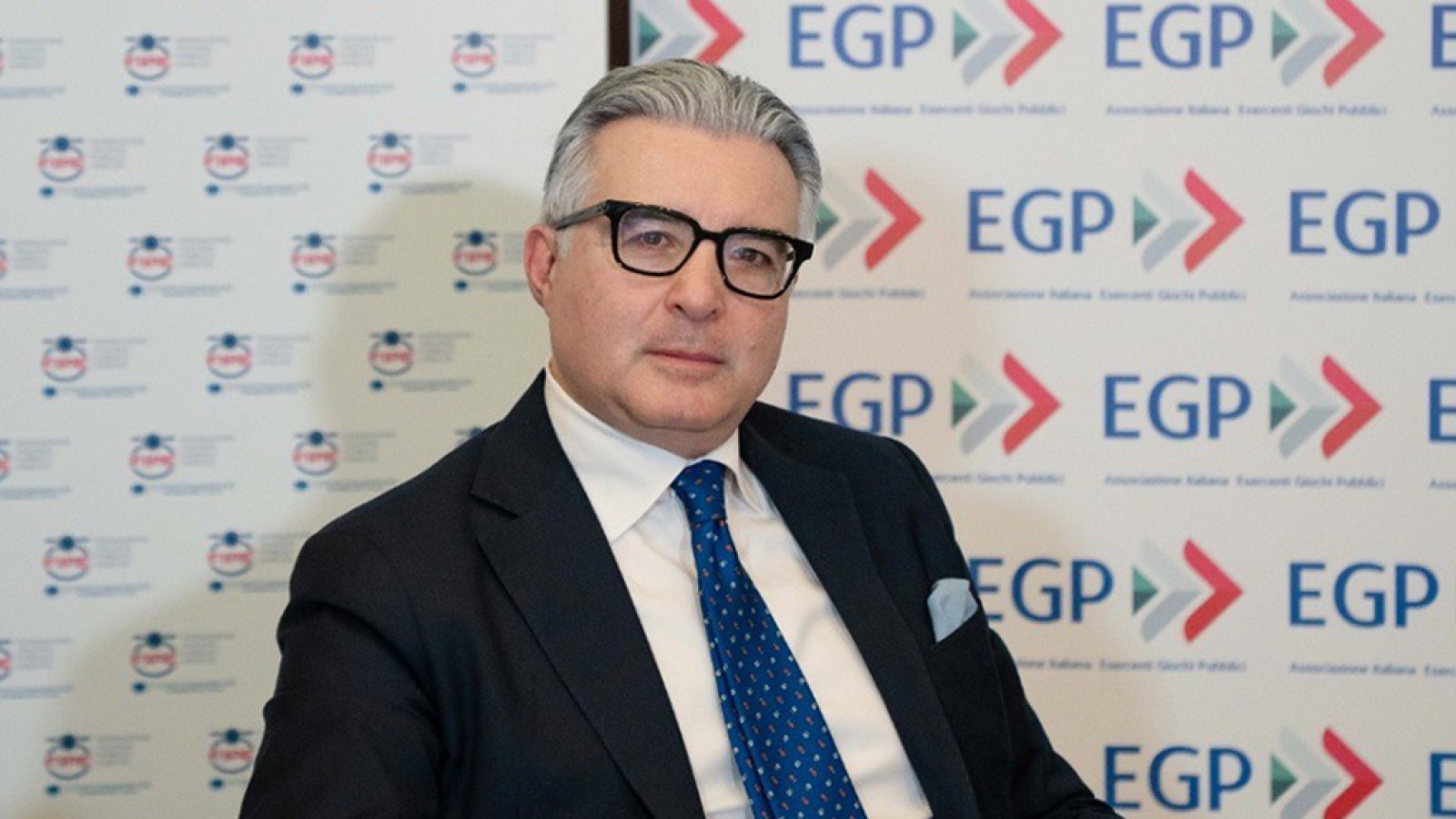
“The system is stuck between extensions and non-homogeneous territorial rules,” said EGP-FIPE President Emmanuele Cangianelli. “Without a coherent national framework, prevention loses effectiveness and the space for uncontrolled supply grows.”
Local Restrictions Under Scrutiny
Industry Questions Effectiveness of Municipal Measures
One of the key points raised by EGP-FIPE concerns local restrictions imposed on land-based gambling venues, including mandatory distance requirements from sensitive locations and limitations on operating hours.
According to the association, these measures have not significantly reduced problem gambling but have instead altered player behavior by shifting activity toward online channels and, in some cases, illegal gambling markets.
“The evidence is that where the physical offer is rigidly restricted, the problem is not reduced but moved,” Cangianelli stated. “Play heads online or to the underground market, where control is nil.”
The debate mirrors broader discussions taking place across Europe regarding the effectiveness of supply-side restrictions versus data-driven responsible gambling tools.
National Coordination Seen as Essential
Industry stakeholders argue that modern responsible gambling strategies should focus on behavioral monitoring and early intervention rather than solely restricting access points.
Among the measures highlighted by EGP-FIPE are self-exclusion programs, player tracking systems, and advanced technological monitoring tools capable of identifying potentially harmful gambling patterns.
The association maintains that these instruments can only reach their full potential within a nationally coordinated regulatory framework.
“Regions may have a role, but within a shared national plan,” Cangianelli explained. “Otherwise, partial interventions will continue to accumulate without solving the problem.”
Online Gambling Continues to Drive Market Growth
Digital Channels Reshape the Italian Gaming Landscape
While retail operators face growing regulatory challenges, Italy’s online gambling market continues to expand rapidly.
The country remains one of Europe’s largest online gambling jurisdictions in terms of turnover and tax contribution. Increasing digital adoption has pushed operators to invest heavily in secure platforms, customer protection technologies and enhanced player experiences.
Regulators have also adapted to the market’s evolution by introducing stricter licensing requirements and technical standards aimed at ensuring player security, data protection and operational integrity.
The migration toward digital channels has accelerated the adoption of technologies such as artificial intelligence and advanced analytics, enabling operators to strengthen fraud detection, improve customer segmentation and enhance responsible gambling monitoring.
Licensing Reform Reshapes Competitive Dynamics
A major transformation occurred with the implementation of Italy’s new licensing structure. By late 2025, the number of operating gambling domains had been consolidated into 52 licenses, replacing a highly fragmented marketplace with a more concentrated competitive environment.
The reform is expected to strengthen regulatory oversight while potentially increasing market concentration among larger operators. Nevertheless, Italy continues to represent one of the most valuable regulated gambling markets in Europe, generating substantial tax revenues for the state.
Responsible Gambling Remains Central to Future Policy
Growing concerns about gambling-related harm continue to influence the political and regulatory agenda.
Authorities are evaluating additional measures to strengthen protections for minors, improve support systems for individuals experiencing gambling addiction and expand responsible gambling education initiatives.
Experts increasingly view player education as a critical component of long-term sustainability. Industry observers note that effective regulation will likely require a combination of strict oversight, technological innovation and consumer awareness programs.
The ongoing debate also reflects wider questions about the future direction of Italy’s gambling policy. As lawmakers consider potential reforms, many stakeholders are advocating for a unified national framework capable of harmonizing regional rules, protecting consumers and preserving the competitiveness of the regulated market.
A Defining Moment for the Sector
Italy’s gambling industry finds itself at a pivotal moment. While the regulatory system remains one of the most developed in Europe, the growth of online gaming, concerns over illegal gambling and the increasing complexity of local restrictions have intensified calls for modernization.
For operators, regulators and policymakers alike, the challenge will be to develop a framework that simultaneously strengthens responsible gambling protections, supports legal market operators and limits the expansion of unregulated gaming activity. As discussions continue in Rome, the outcome could shape the future of one of Europe’s most significant gambling markets for years to come.