


The new regulatory framework exposes a risk few international providers are actually prepared to handle
Most international providers are approaching Brazil as a licensing problem.
That is the first mistake.
The new framework coming from the Secretariat of Prizes and Betting does not just regulate operators, it pulls suppliers directly into the regulatory perimeter. That changes everything.
From systems and platforms to game providers, KYC services and data providers, everyone is now expected to demonstrate operational capacity, not just exist commercially. Recognition is no longer optional, it becomes a condition to operate.
At first glance, the requirements seem straightforward. Legal structure, tax compliance and technical qualification. Nothing unusual for companies used to regulated markets.
But the real issue is not in the requirements themselves.
It is in how they actually play out in practice.
Brazil introduces a model where providers do not interact directly with the regulator in day to day operations, yet remain exposed to regulatory consequences. Distribution happens through licensed operators, often layered with aggregators and intermediaries.
This creates a structural gap.
Providers are accountable, but execution is fragmented.
In practical terms, this means compliance is no longer defined only by what the provider does internally, but by how the entire chain behaves. Operators, aggregators and third party integrations all become part of the equation.
And this is where things start to break.
Contracts may say one thing, but operational reality often looks very different.
Data flows across systems that the provider does not fully control.
Responsibilities become blurred between parties.
When regulatory scrutiny happens, and it will, that gap becomes visible.
Another critical point is the requirement to establish a local legal entity, maintain records, respond to regulatory requests and ensure traceability of operations. These are not one time tasks. They require continuity, structure and internal alignment across multiple layers of the business.
What many providers are underestimating is that entering Brazil is not just about meeting a checklist.
It is about sustaining compliance inside a fragmented ecosystem where control is partial, but responsibility is not.
And that is a very different challenge.
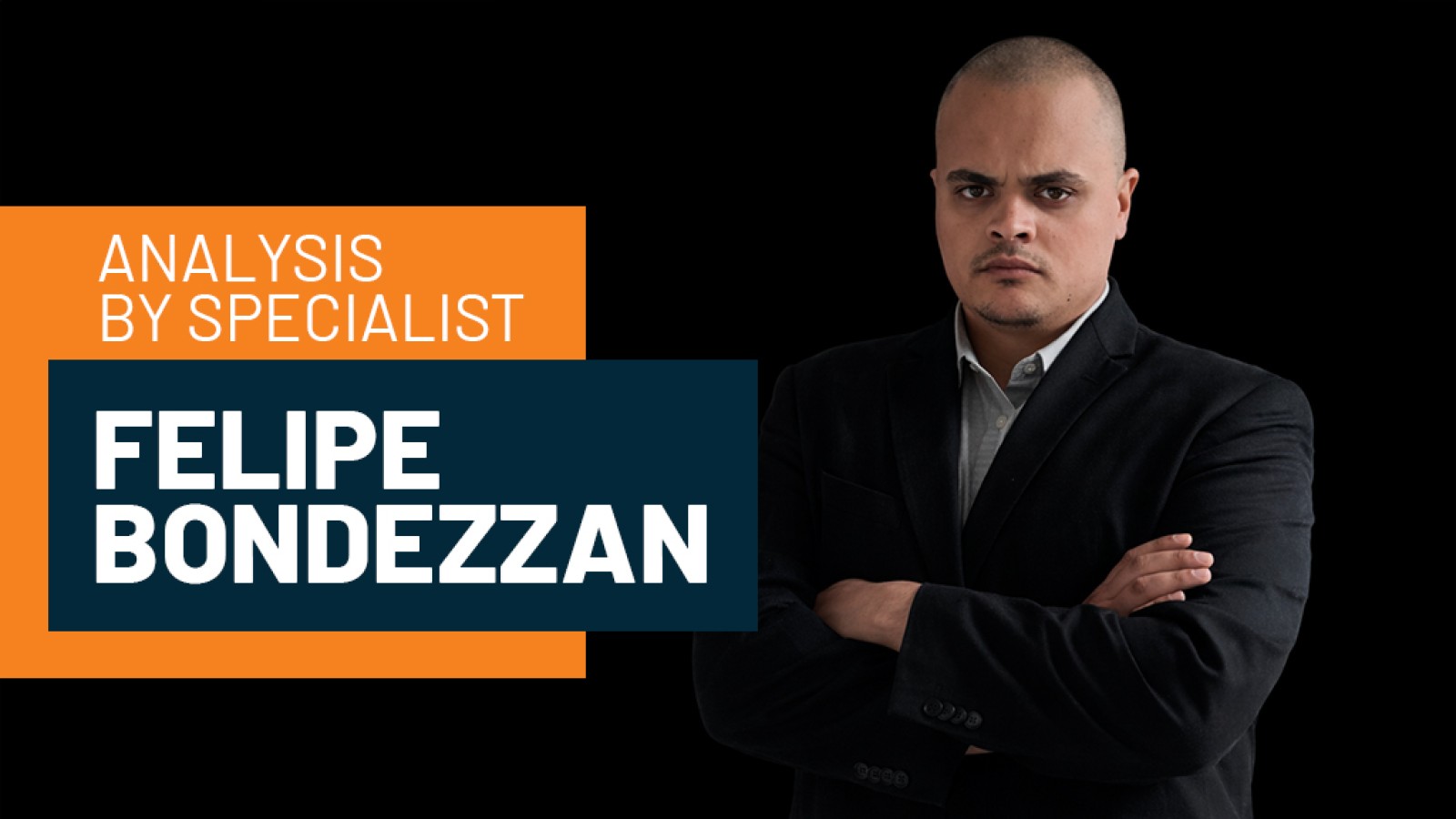
*Felipe Bondezzan is the founder of Praesidium, focused on the operational and regulatory challenges faced by international iGaming providers entering the Brazilian market. His work is centered on understanding how regulatory requirements translate into real-world execution across complex distribution structures.