


Senate lawmakers seek to protect state regulation of prediction markets
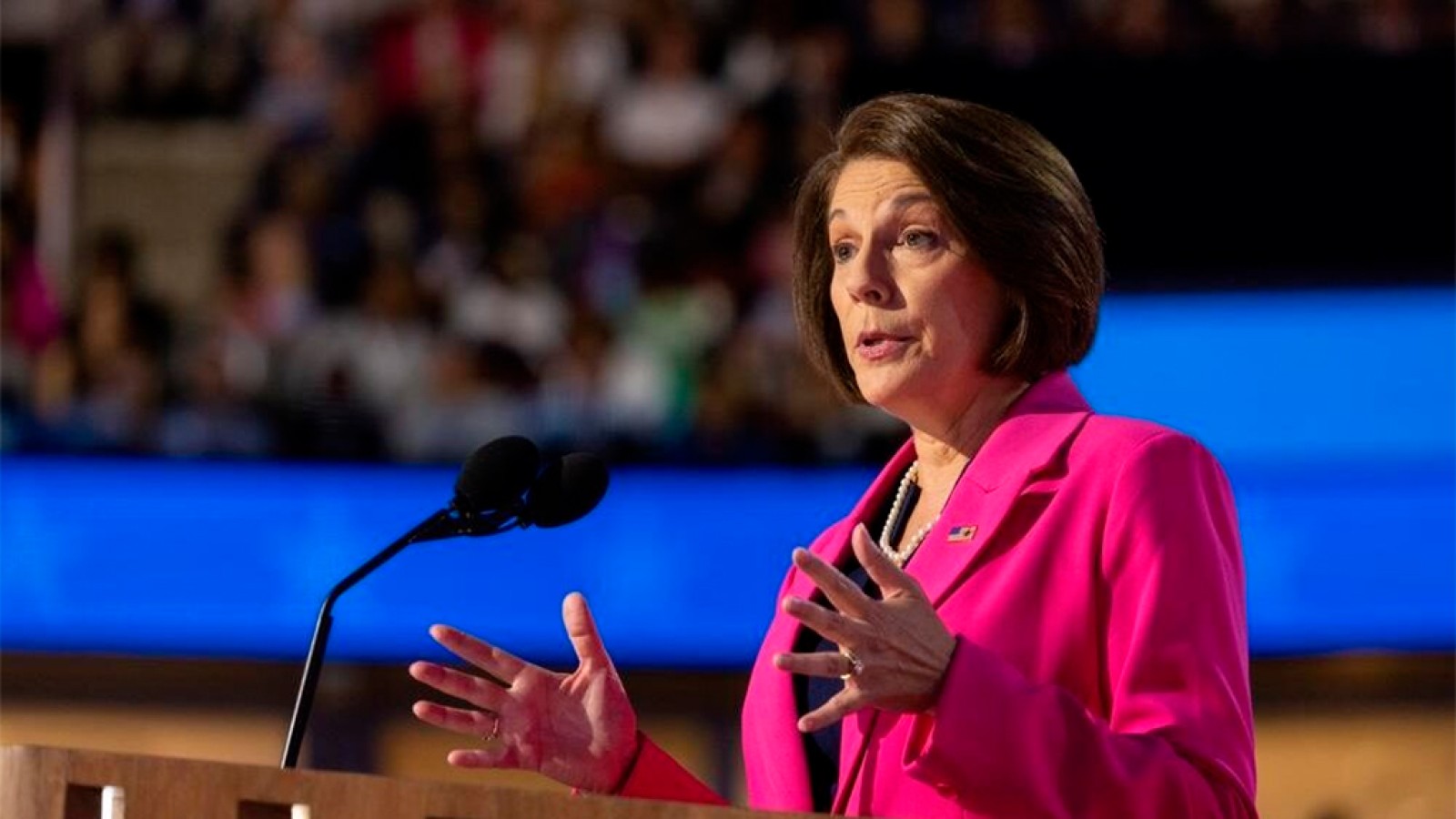
U.S. Senators Jacky Rosen and Catherine Cortez Masto, both representing Nevada, joined a group of senators led by Richard Blumenthal and Jeff Merkley in asking the Senate Appropriations Subcommittee on Financial Services and General Government to restrict the CFTC's ability to use appropriated funds to sue states and tribal governments seeking to enforce their gambling laws.
The request follows several legal actions filed by the CFTC against states that have attempted to regulate online prediction markets, arguing that these platforms increasingly resemble gambling products rather than traditional financial event contracts.
Nevada remains at the center of the legal dispute
Nevada has emerged as one of the leading jurisdictions challenging the expansion of prediction markets.
In March 2025, the Nevada Gaming Control Board (NGCB) issued cease-and-desist orders against Kalshi and Polymarket, alleging that they were offering unauthorized betting products within the state.
The dispute escalated when the regulator filed suit against Kalshi. Since March 2026, the platform has operated under court-imposed restrictions following a temporary restraining order issued by a Carson City judge.
According to the NGCB, approximately 90% of Kalshi's revenue is generated through sports-related contracts. Nevada argues that the company operates without a state gaming license, pays no gaming taxes, lacks a physical presence in the state and allows underage users to participate, all in violation of Nevada gaming laws.
A recent decision by the 9th U.S. Circuit Court of Appeals supported Nevada on a key procedural issue, allowing state-level enforcement to continue and potentially setting the stage for review by the U.S. Supreme Court.
Senators warn prediction markets are bypassing gambling safeguards
In their June 24 letter to the Senate Appropriations Subcommittee, lawmakers argued that recent CFTC litigation threatens longstanding state and tribal authority over gambling regulation.
"Recent lawsuits filed by the CFTC against states regulating online prediction markets will only fuel a gambling public health crisis and interfere with states' and tribes' longstanding prerogative to regulate or even restrict gambling."
Concerns over consumer protection
The senators contend that today's prediction markets differ substantially from the original purpose of event contracts, which historically served as financial risk-management tools in sectors such as agriculture and economics.
"Online prediction markets, which have rapidly grown in popularity, are drastically different from the original intent of event contracts... Prediction markets, however, have distorted this purpose and infiltrated the world of sports, politics and even foreign affairs."
They also warned that these products may contribute to underage gambling, gambling addiction and financial harm if they continue operating outside established state regulatory frameworks.
"As prediction markets have sought to circumvent state safeguards, their products have led to underage gambling, gambling addiction and serious financial losses."
Tribal governments also challenge prediction market operators
The senators' letter highlights ongoing legal actions brought by tribal nations in Wisconsin, California and New Mexico, which argue that online prediction markets violate the Indian Gaming Regulatory Act and existing tribal gaming compacts.
In addition, the lawmakers noted that the CFTC has initiated legal challenges involving multiple states, including Connecticut, Illinois, Arizona, Wisconsin, New York, Minnesota, Rhode Island and New Mexico, where authorities have attempted to enforce local gambling laws against prediction market operators.
Proposal to limit CFTC funding
To reinforce state authority, the senators are asking Congress to prohibit the CFTC from using federal appropriations to litigate against states and tribal governments enforcing gambling regulations or gaming compacts applicable to prediction markets.
Regulatory shift under the Trump administration fuels industry growth
The debate unfolds against the backdrop of a significant policy shift at the CFTC under President Donald Trump.
A more permissive approach to prediction markets
The agency has moved away from the enforcement strategy adopted during the previous administration, which had questioned the legality of certain political and event contracts and investigated whether operators such as Polymarket were serving U.S. customers unlawfully.
Under the current leadership, several investigations have been dropped, enforcement proposals withdrawn and regulatory oversight relaxed, allowing prediction market platforms to expand more rapidly.
Critics argue that the lighter regulatory approach could weaken consumer protections and create conflicts of interest.
The discussion has also drawn attention to Donald Trump Jr., who serves as a strategic adviser to Kalshi while also advising and investing in Polymarket through 1789 Capital. His involvement, combined with broader Trump family initiatives in digital assets and prediction products, has generated additional scrutiny as federal policy toward prediction markets continues to evolve.
As litigation progresses, the outcome could have significant implications for the balance of authority between federal regulators, state gaming agencies and tribal governments, shaping the future regulatory framework for prediction markets across the United States.